On this page you will learn about the different ways you could heat a residential living space.
Know Your Home: Before we dive into the different configurations of heating systems, it is important to note that certain building types are often designed to contain certain heating systems. Research the cost of replacing the home’s current heating system and compare it to the cost of converting to a new one.
Heating Systems: Furnace
Heating your residential living space with a furnace comes down to these important questions:
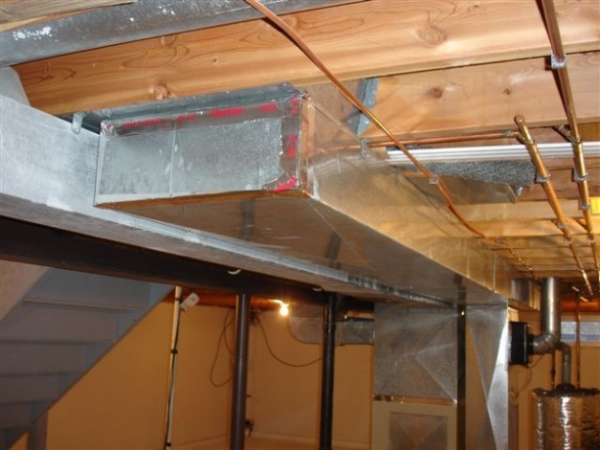
- Does the space have duct work?
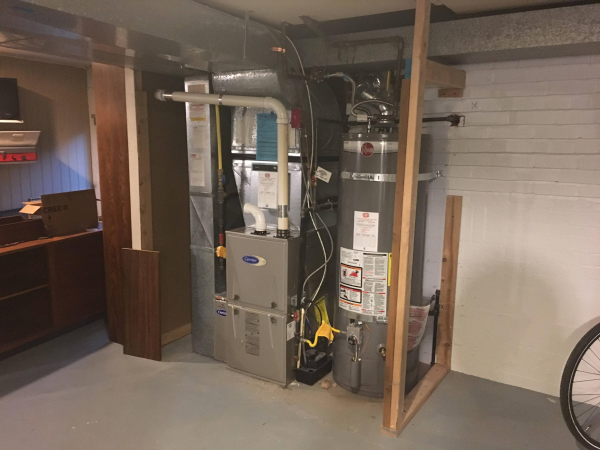
- Is there space for a furnace to sit?
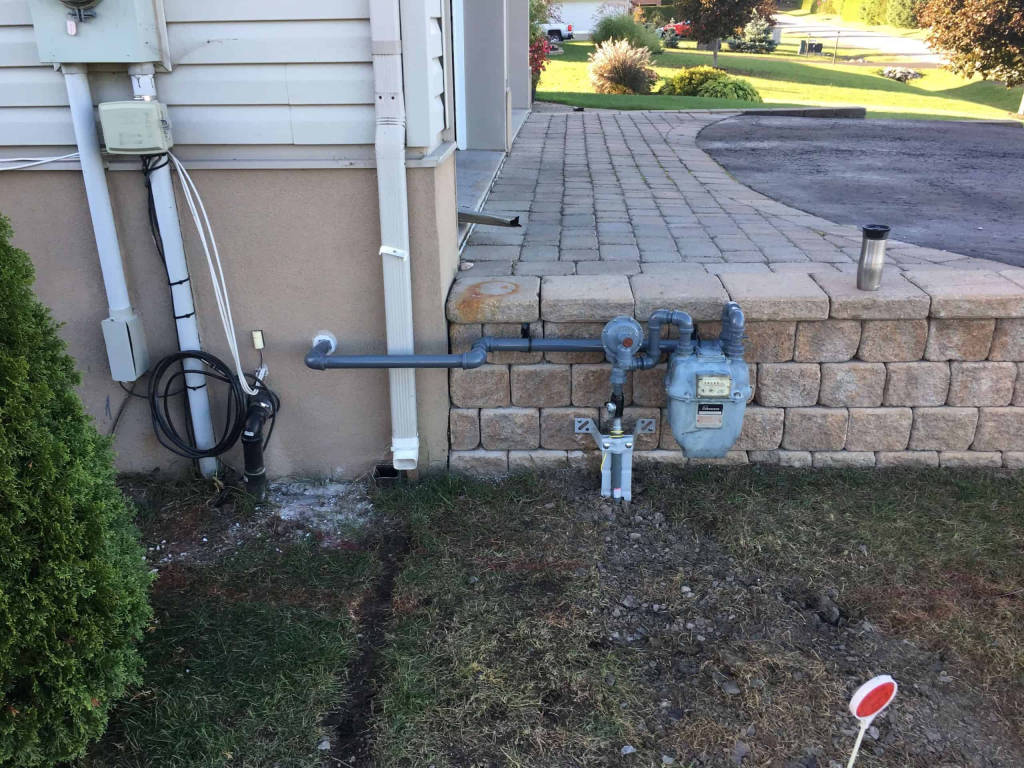
- Does the space have access to a natural gas or propane hook up?
If you already have an existing furnace, then you can find these things around your home.
What does a furnace do?
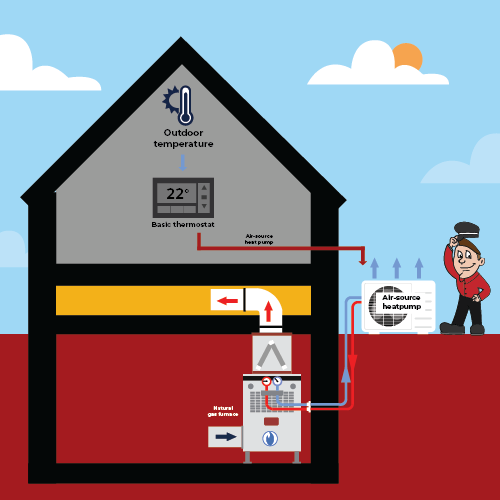
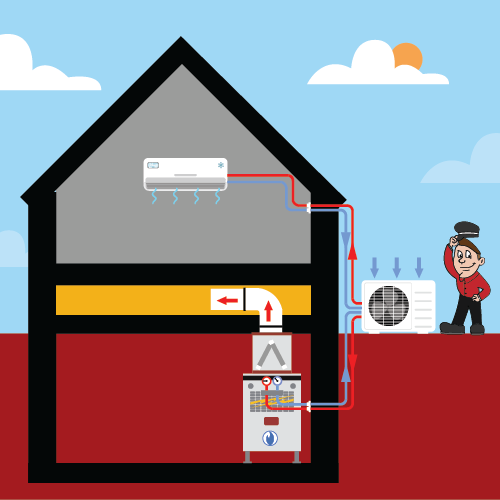
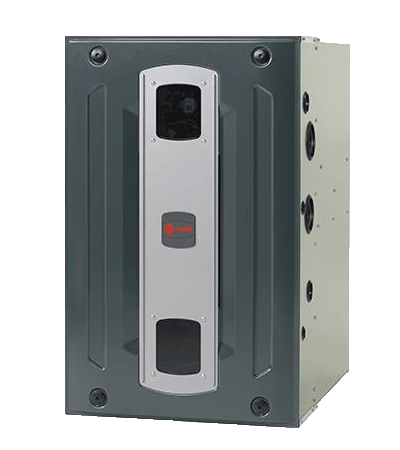
The furnace heats the home using natural gas combustion and provides air flow to both the heating & cooling system.
Inside the furnace is the A-Coil, combustion chamber, and blower motor which all work together to handle the heating & cooling.
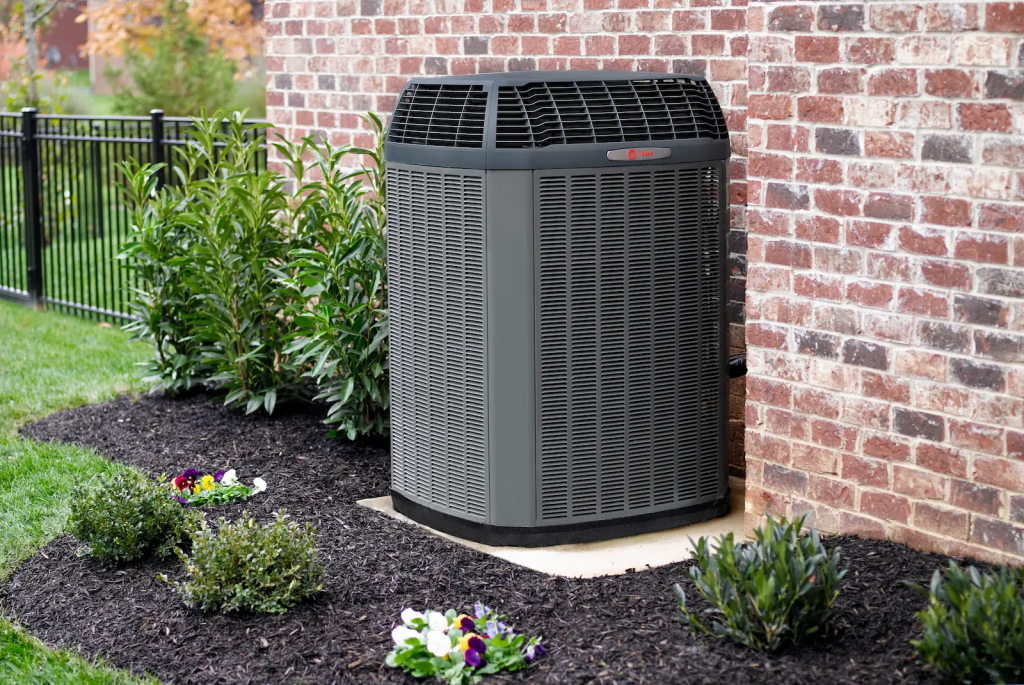
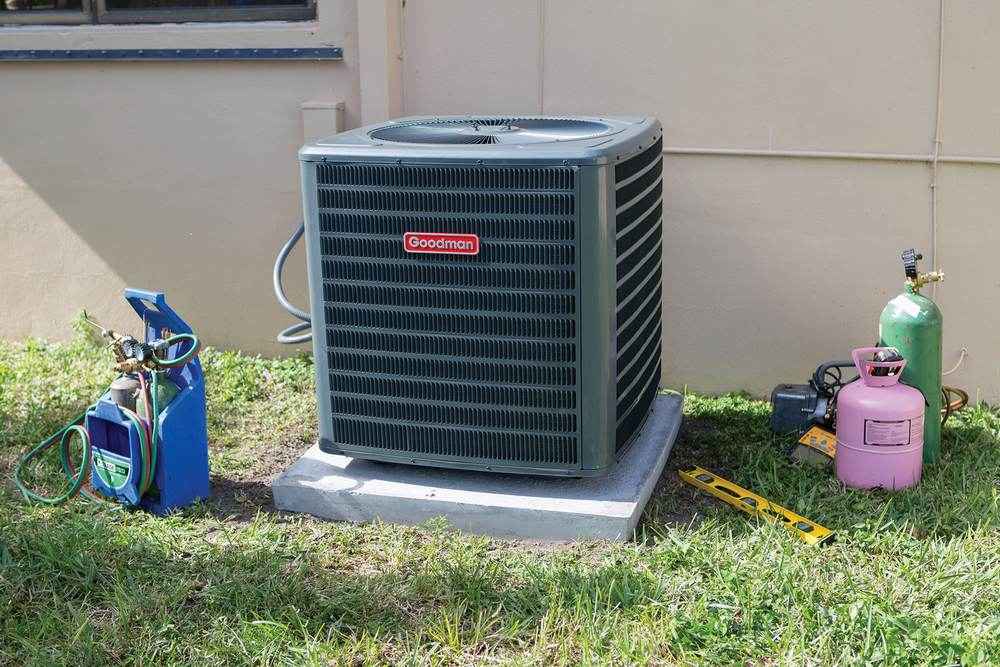
Outside the home sits the conditioning unit which could be a heat pump or classic AC unit.
A forced air furnace sits in the basement in a fixed position and the duct work, which runs throughout the house, is attached to the furnace.
Examples of Furnace Configurations:
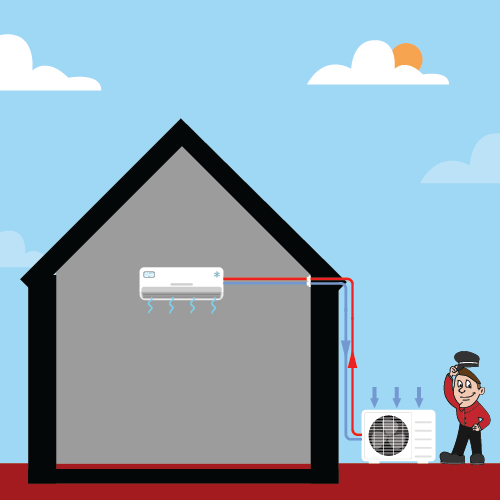
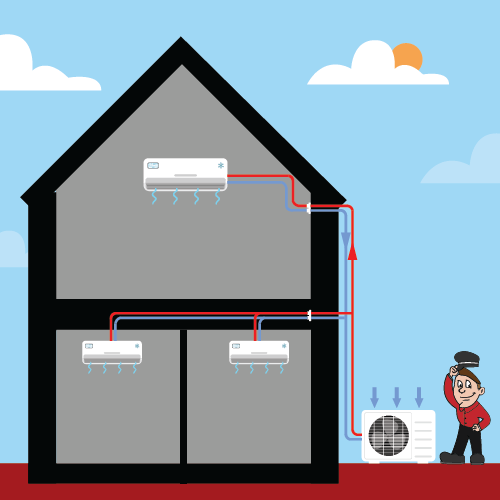
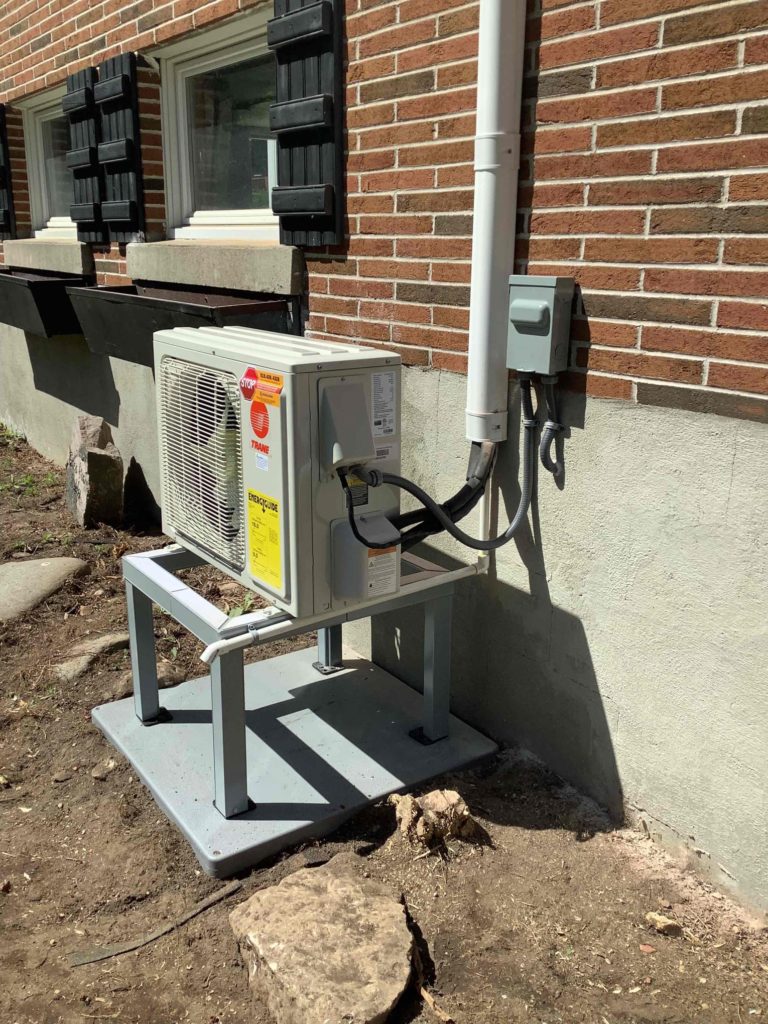
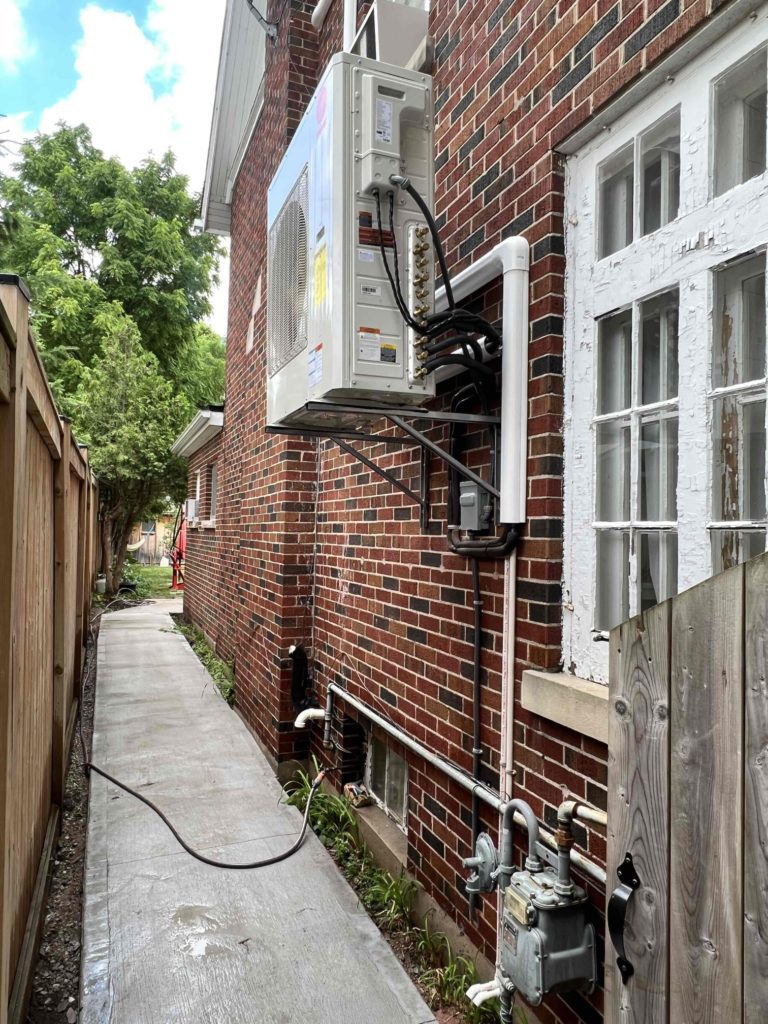
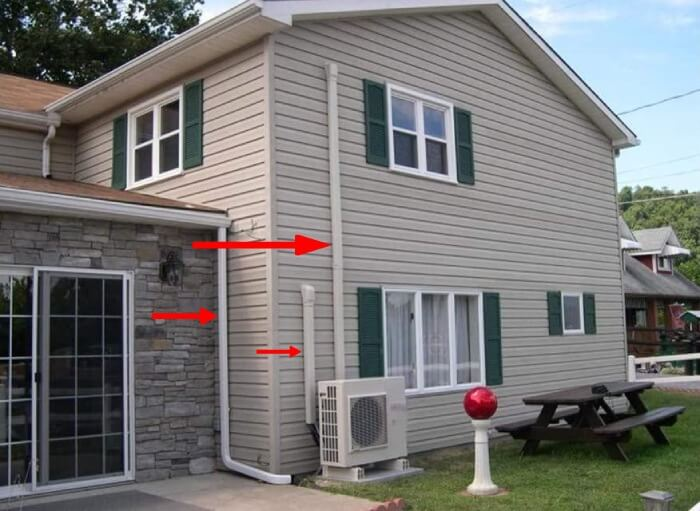
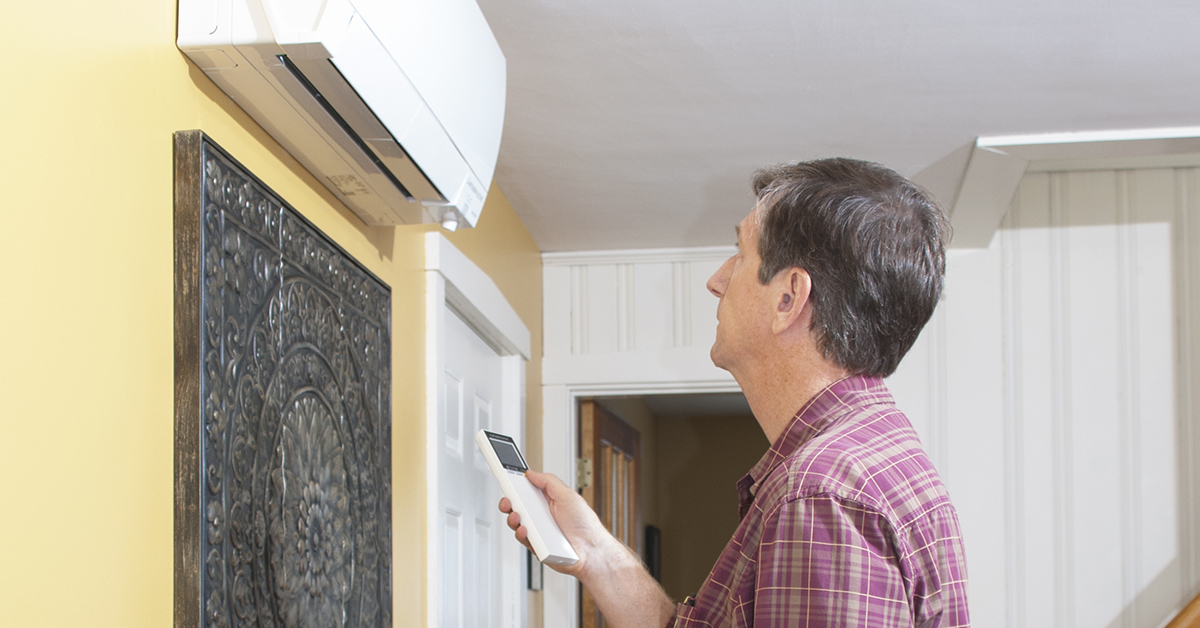
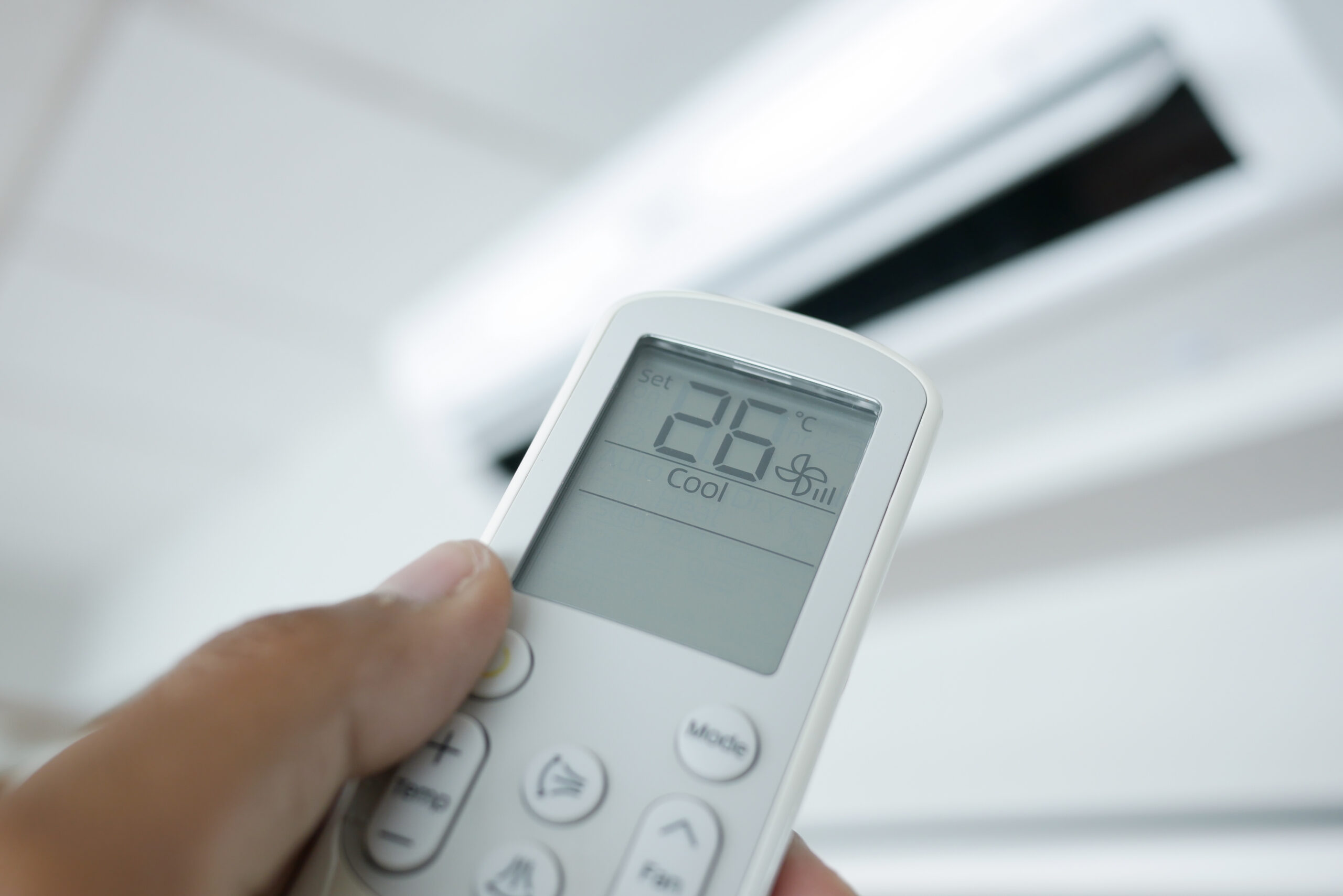
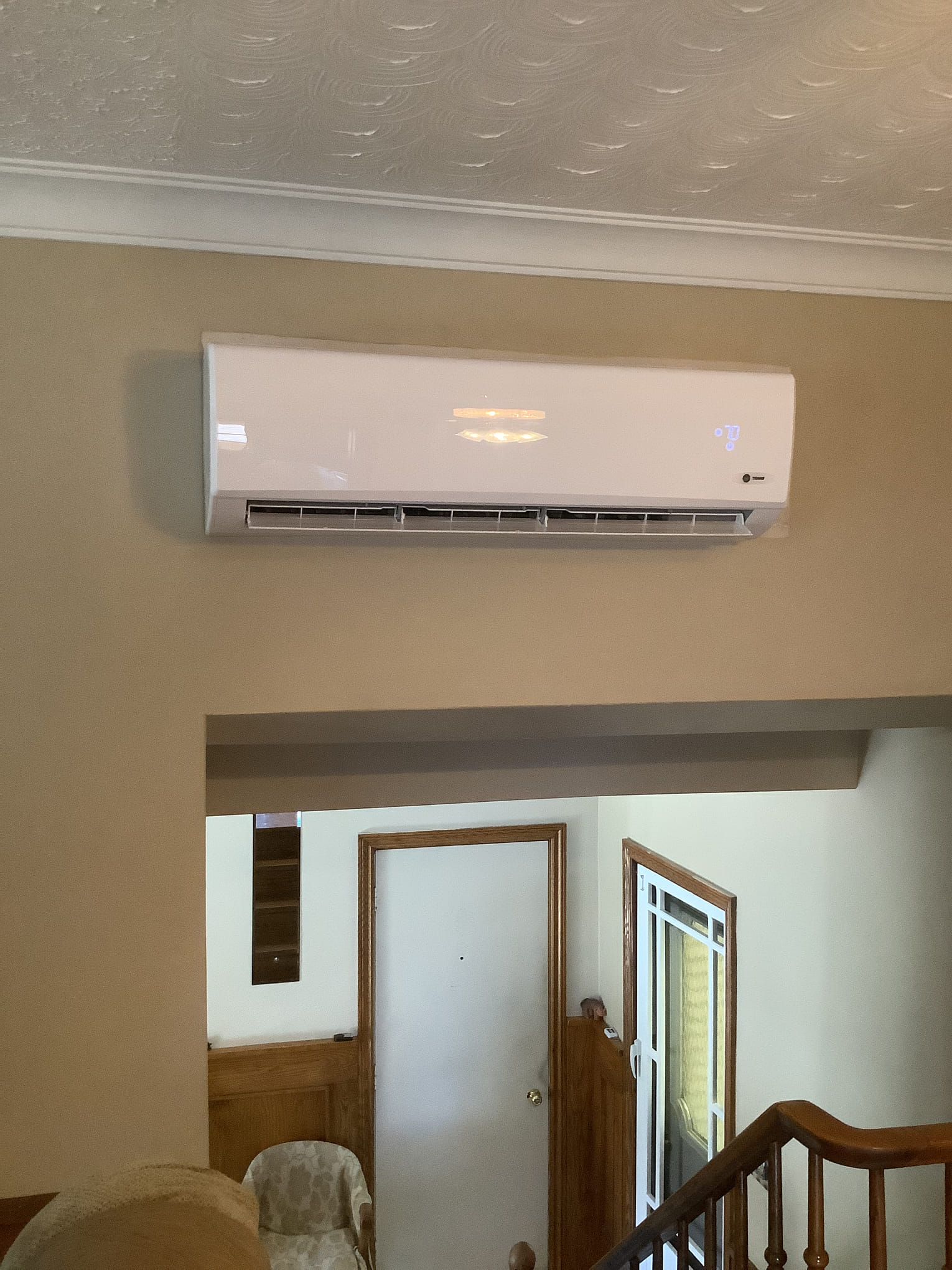
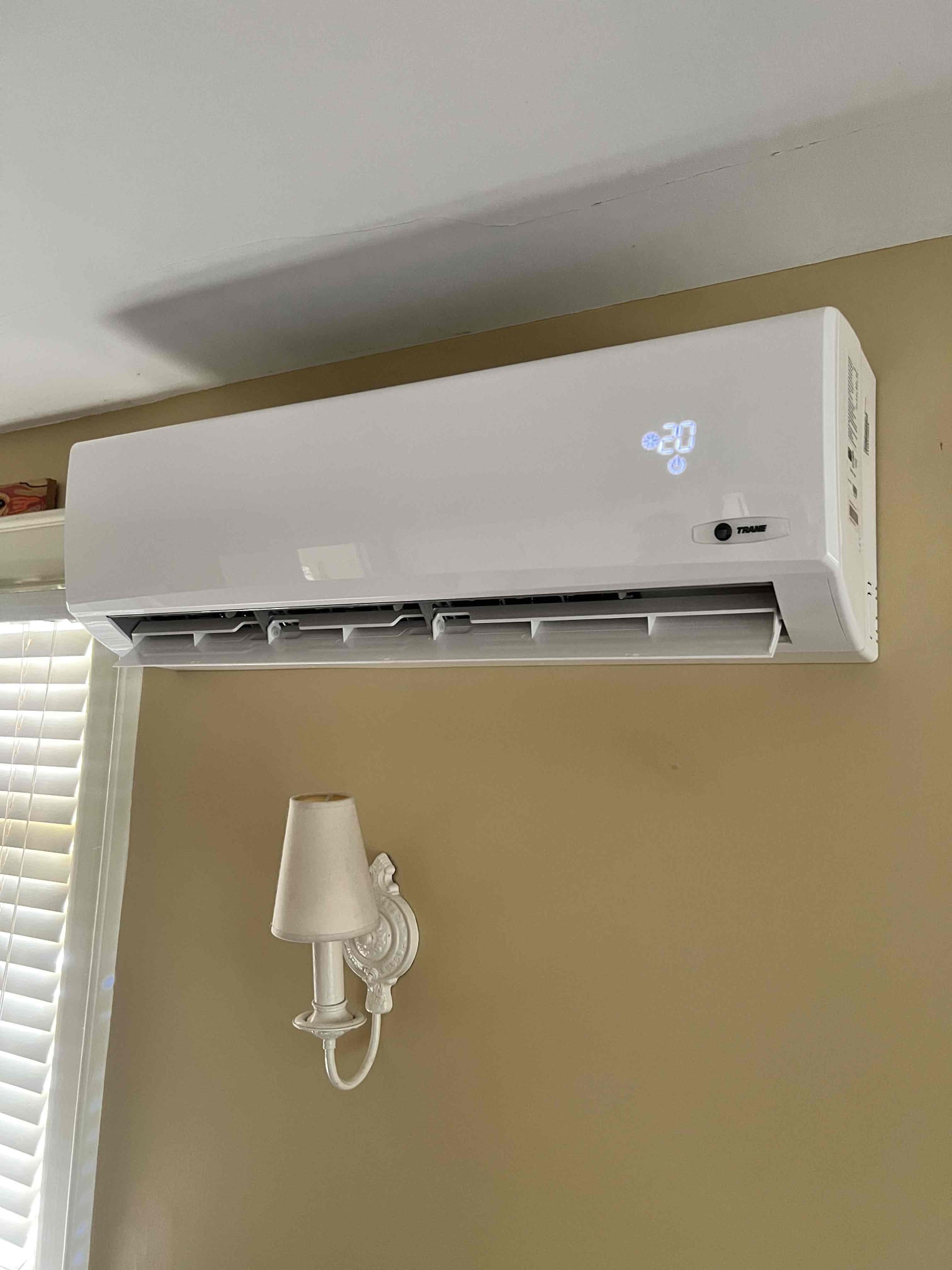
A ductless heat pump can both heat and cool a home without the use of duct work. Instead the air is blown through a wall mounted blower head. The heat pump unit sits outside the home and is powered by electricity. Using the latent heat in the air, and super heated gas pressures, it can generate heat even in the winter.
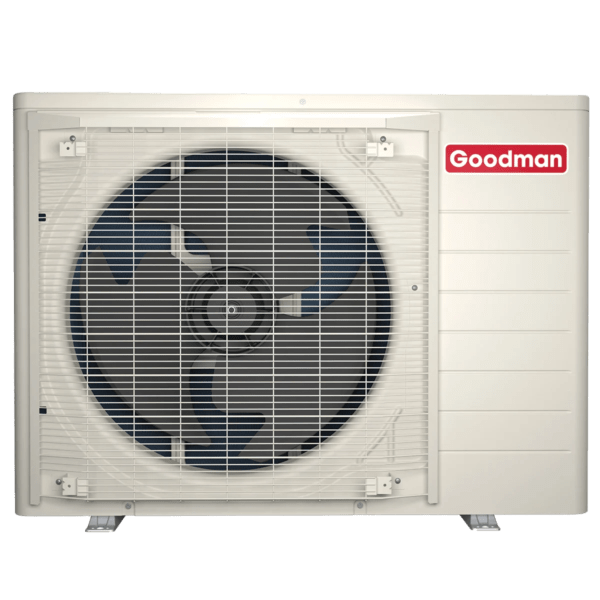
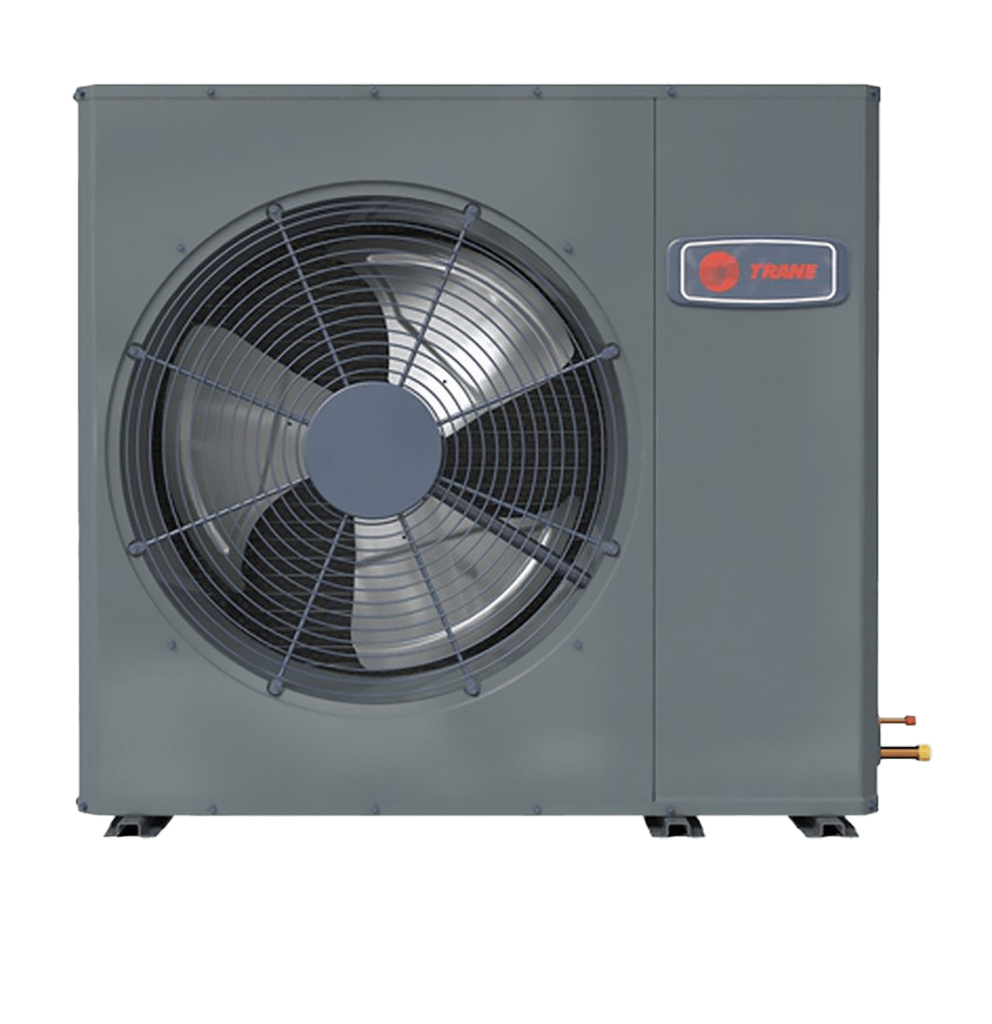
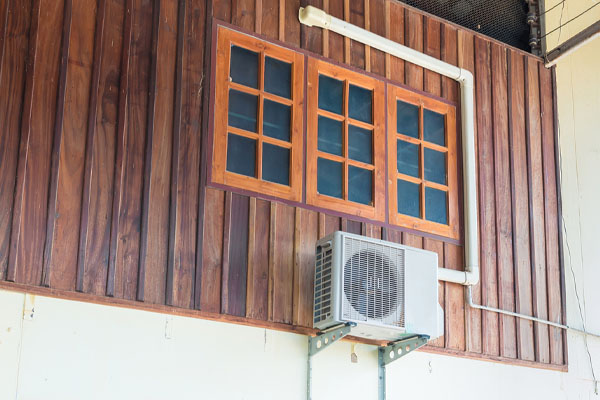
In most cases a house will have sufficient space around it to use the top-discharge unit, but if the property line, a drive way, or not enough room lies between the houses, the side-discharge unit could be an option.
The largest restriction for side-discharge units is they are typically used in smaller heating and cooling applications. Like conditioning one or two rooms.
The larger heat pumps that can handle an entire home are far to bulky and heavy to sit on wall brackets.
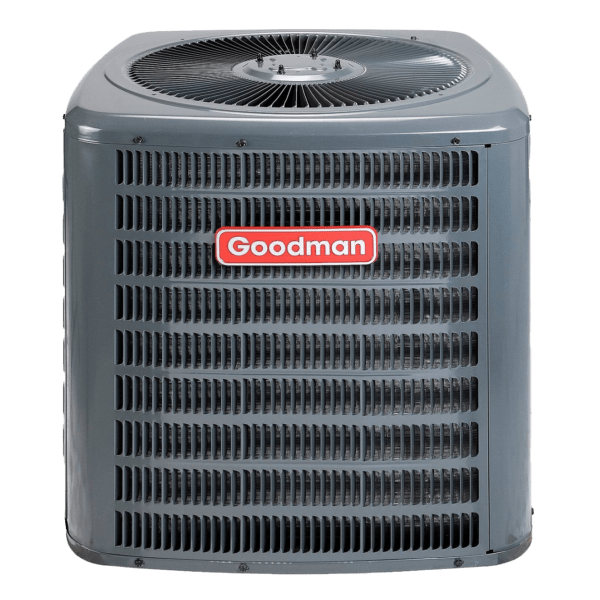
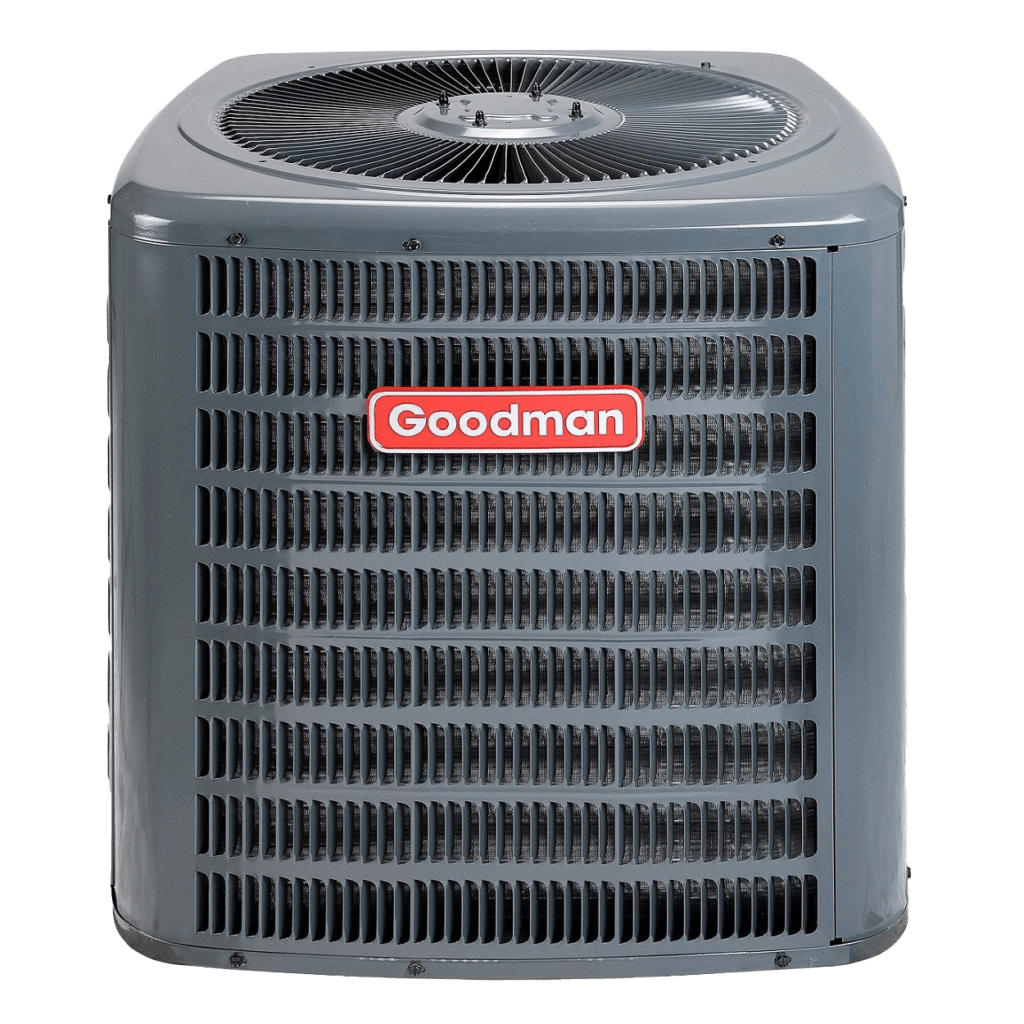
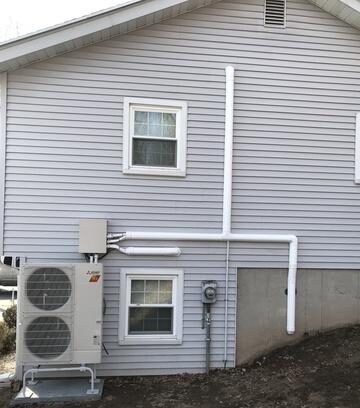
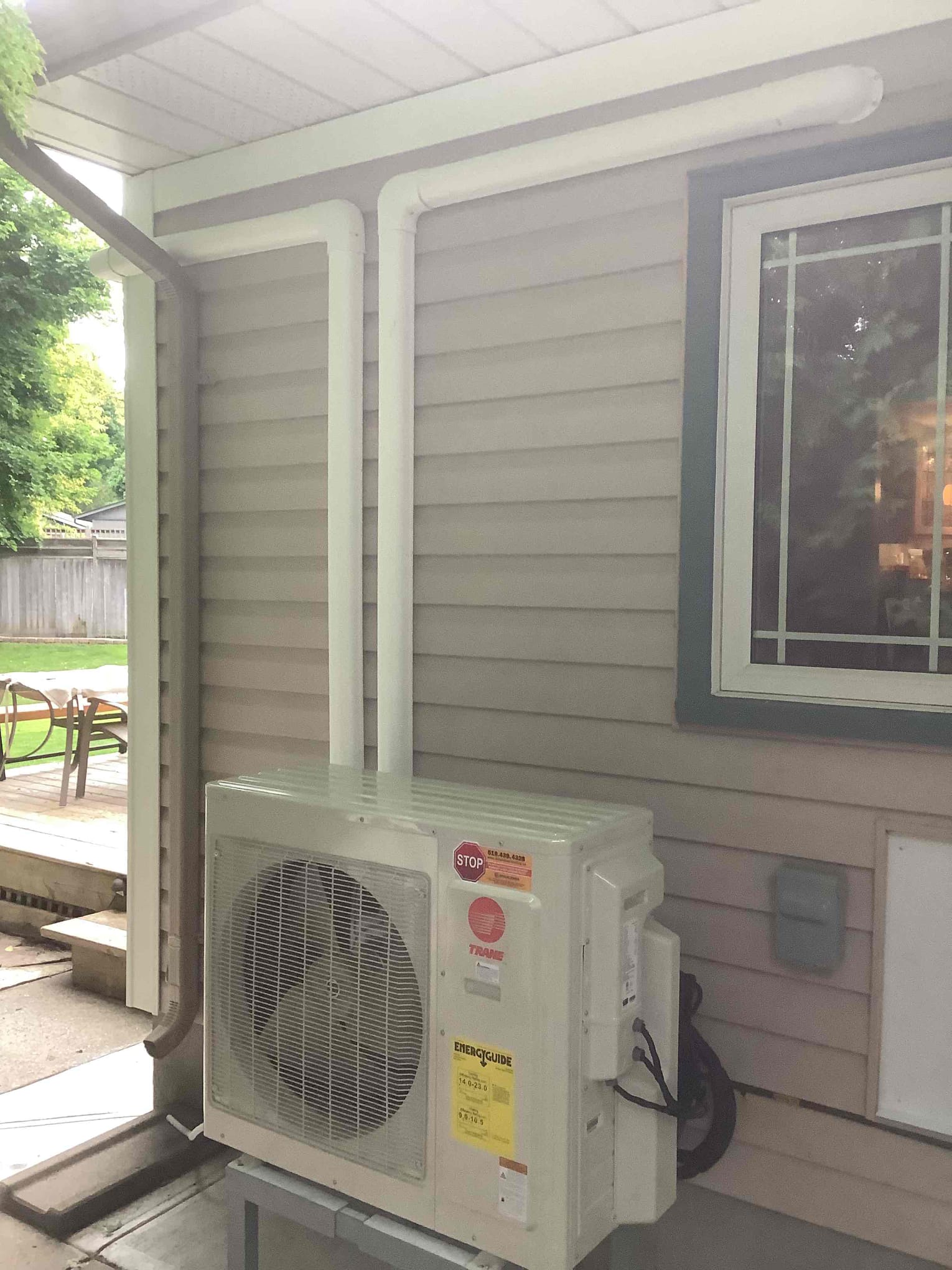
Top-Discharge Heat Pump units look identical to Air Conditioners and sit on the ground next to the home.
Line set:
The line set is a series of pipes that run between the unit and head. They are covered by plastic to protect the piping & wiring from the elements. They run along the siding of the home.
Line set typically comes in white and is made of durable plastic. The line set for the heat pump needs to go along the siding of the home and end at an access point. This access point is where the blower head will be installed inside the room.
These heads can be controlled by a remote control and/or a smart home app.
Home Heating Systems: Geothermal Heat Pumps
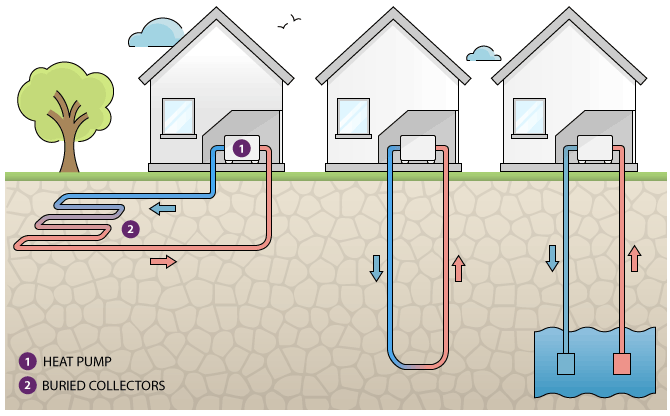
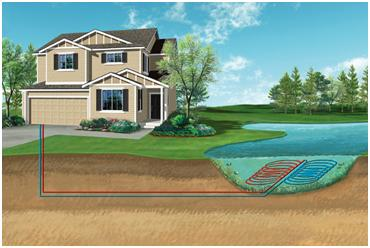
Geothermal heat pumps use the latent heat energy in the ground or water to aid in the heating and cooling process. The largest obstacle to getting a geothermal heat pump installed is the landscaping it involves.
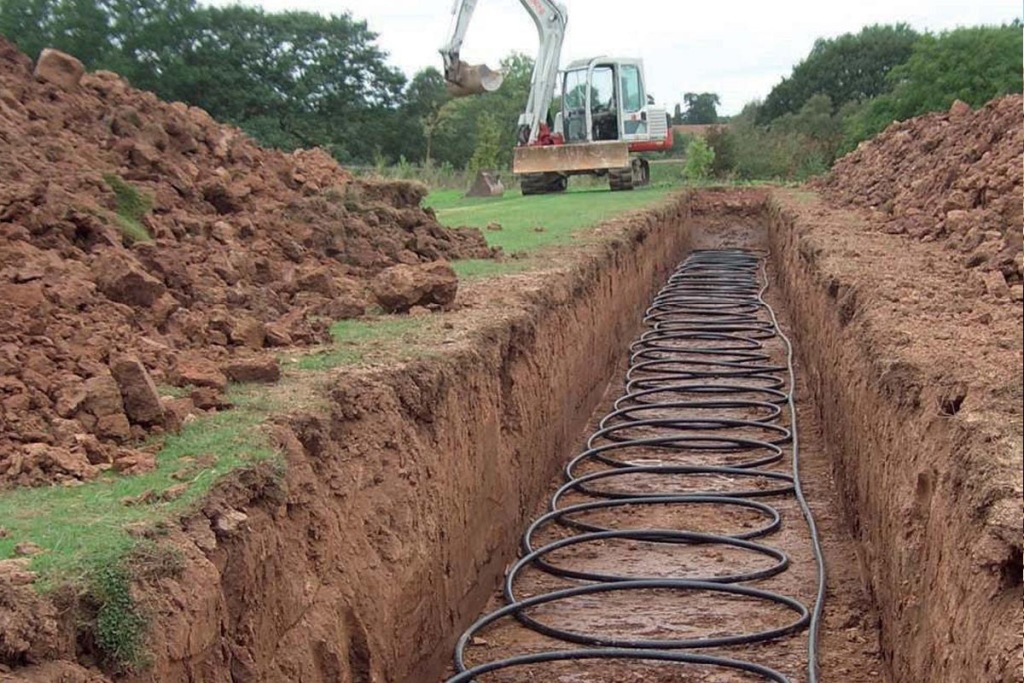
You’re going to have to dig, and if you are living in the city, be aware of what is already in the ground. Like these hazards:
- Waterlines
- Powerlines
- Tree Roots
- Geological features (sand, clay, stone)
- Animal Habitats
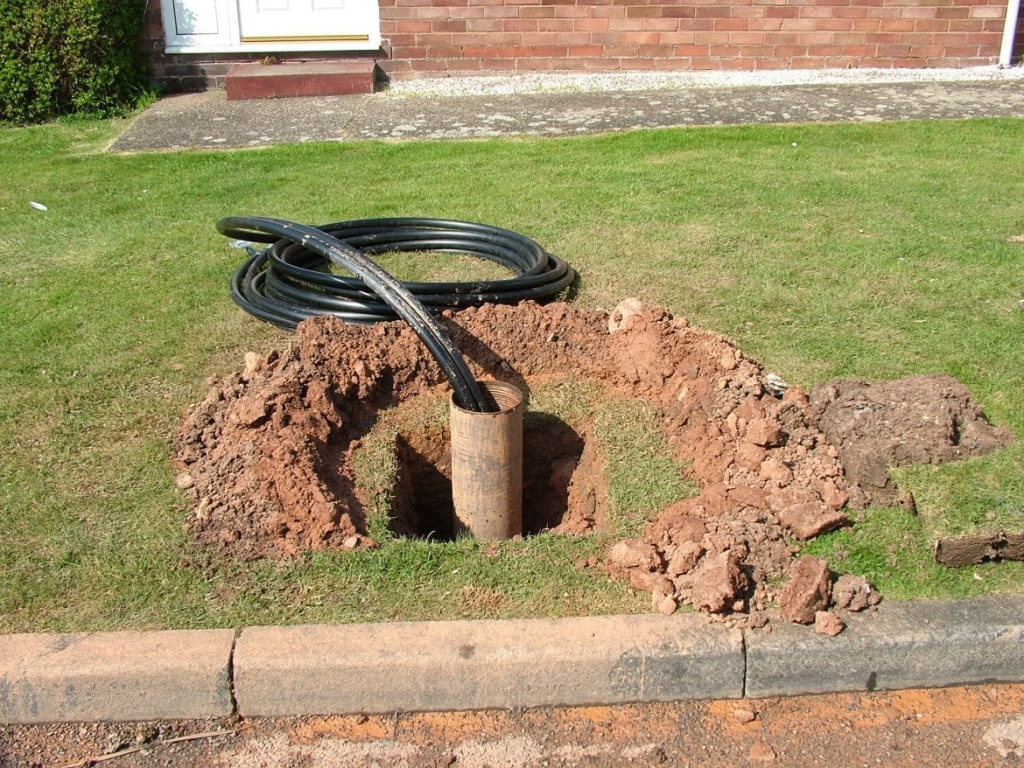
After all is said and done with the digging & installing of your heat pump, you will also need landscaping to return the yard to normal.
Different Digging Methods for Geothermal Heat Pumps
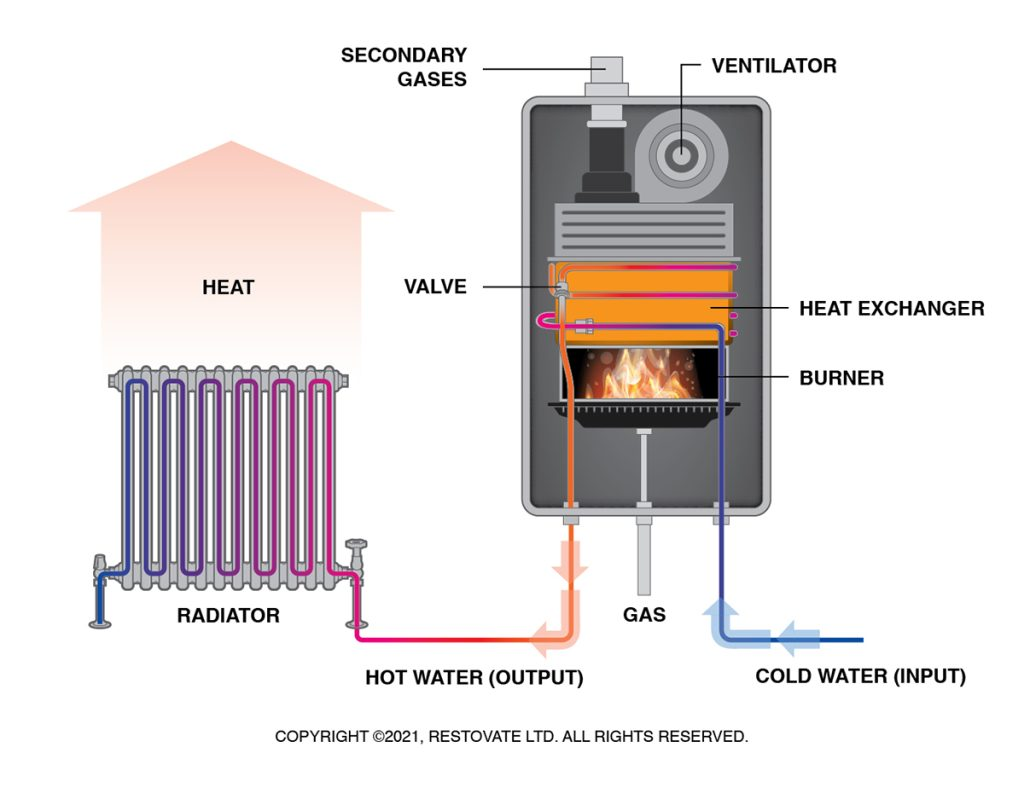
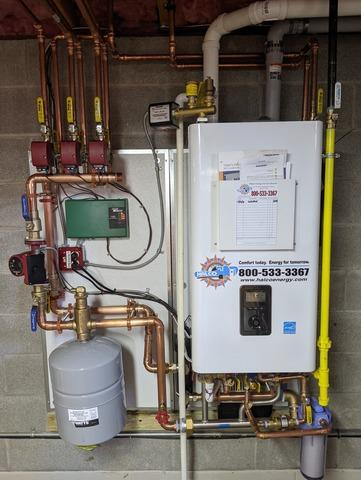
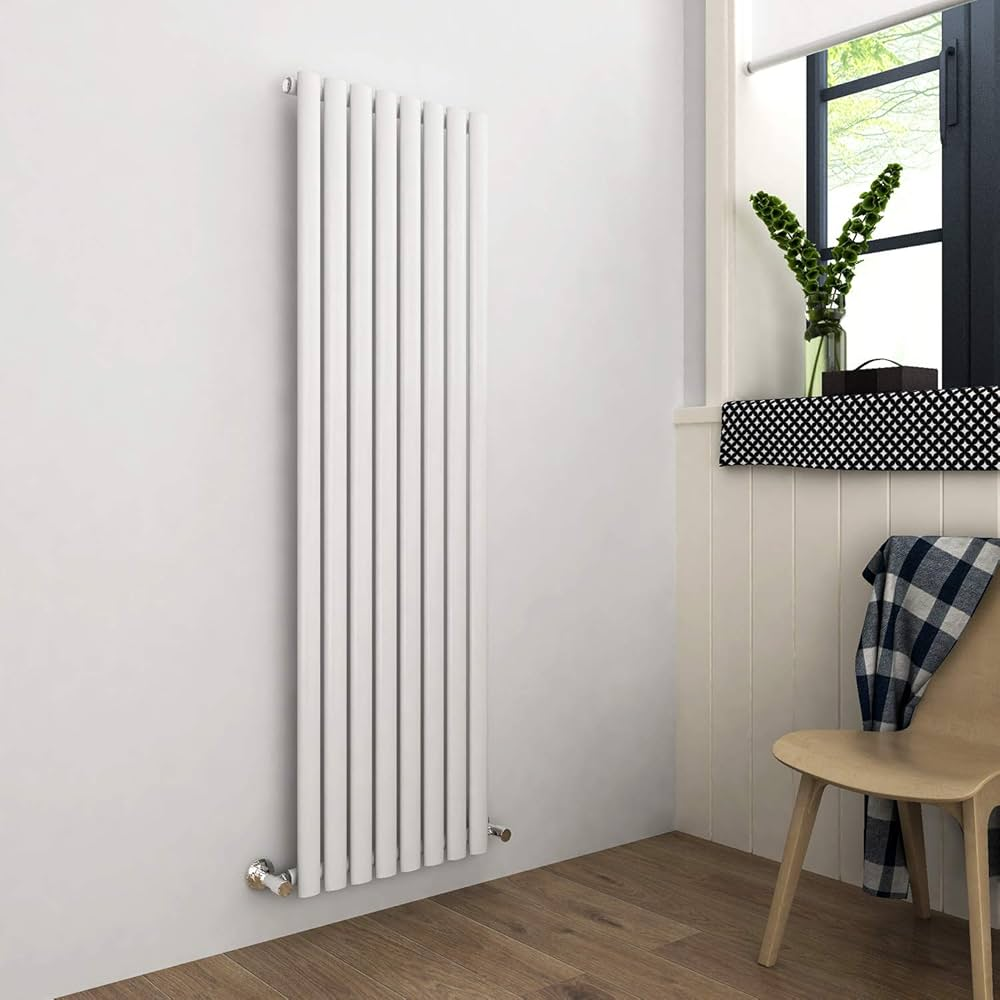
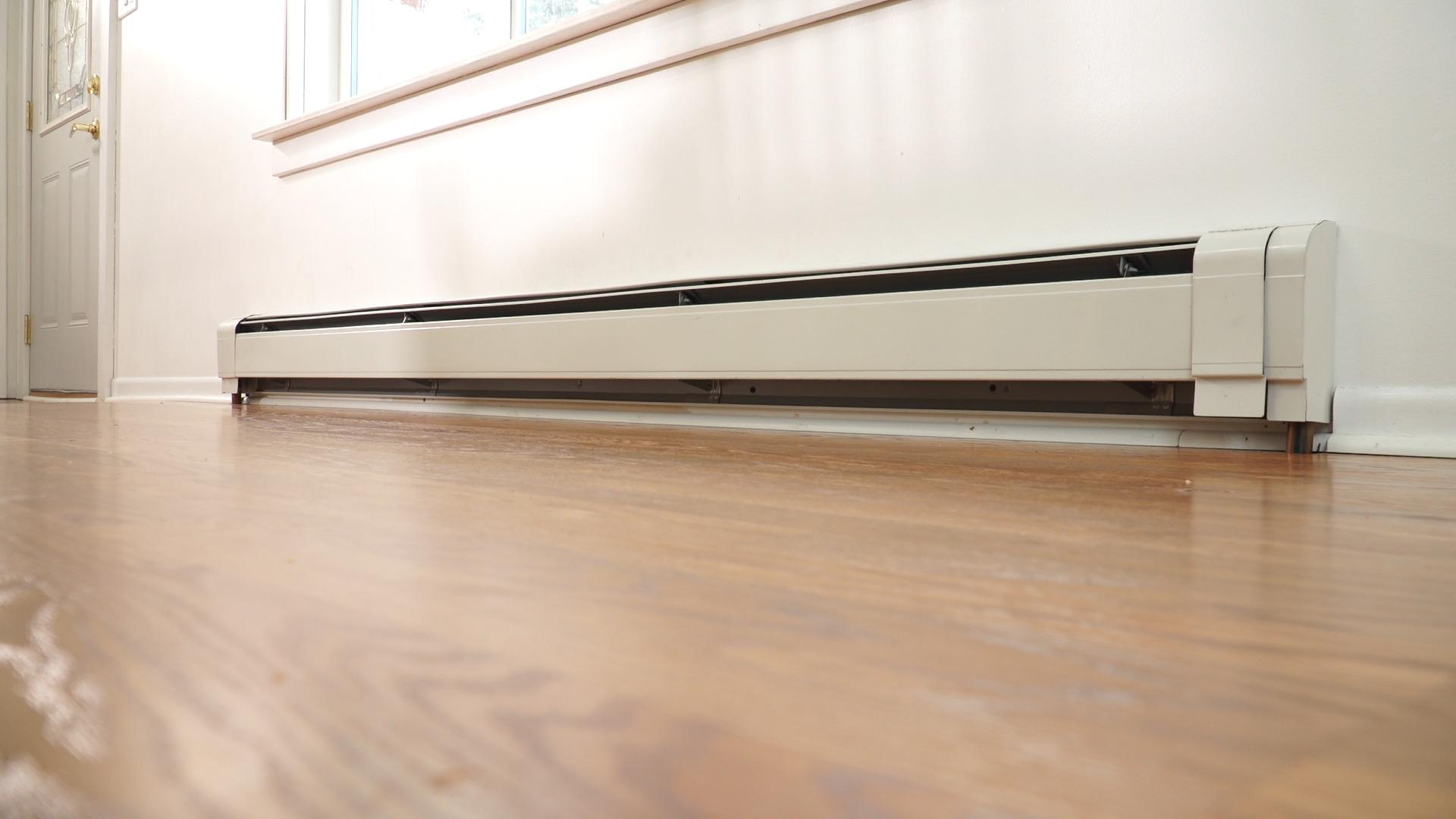
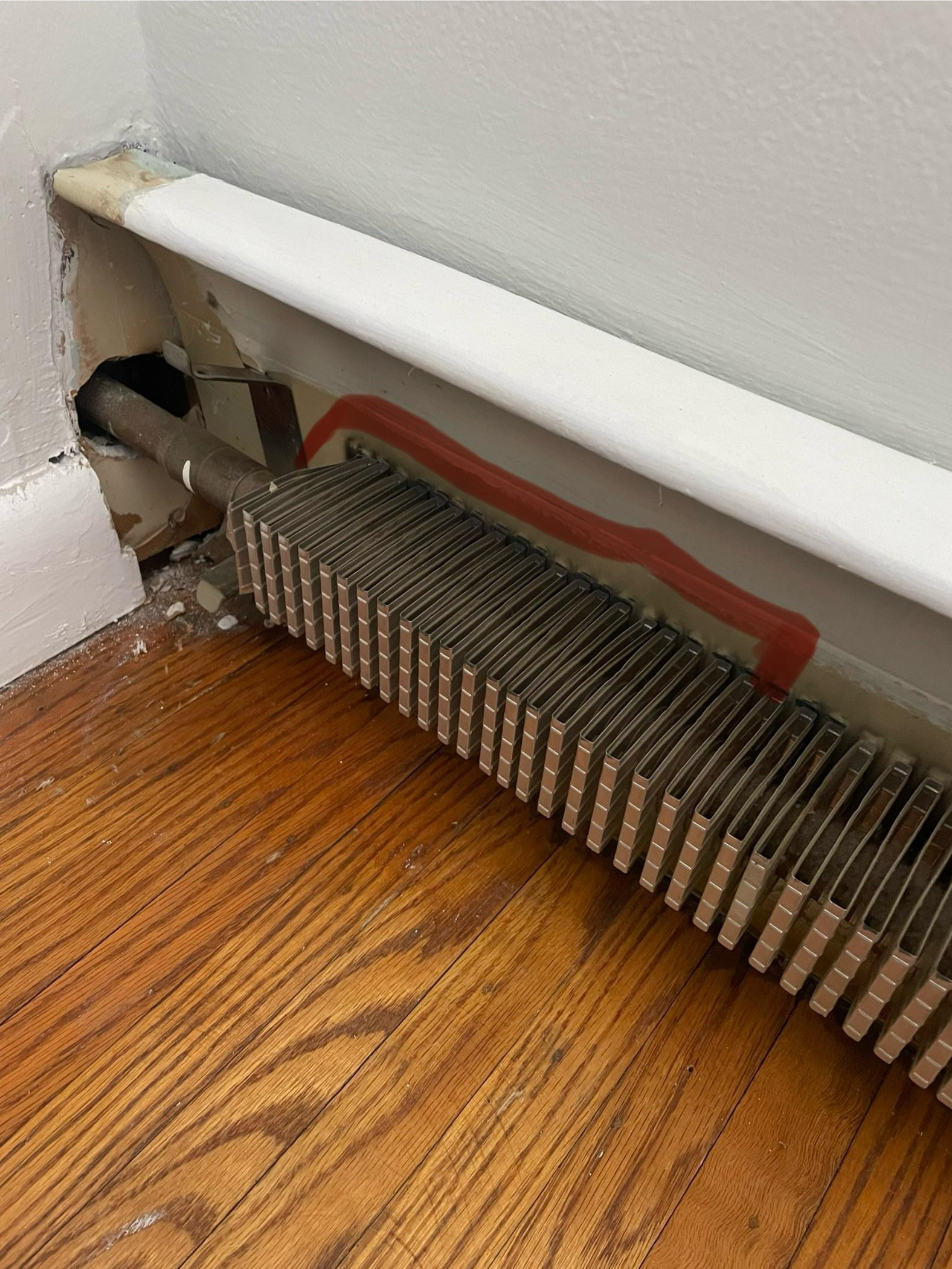
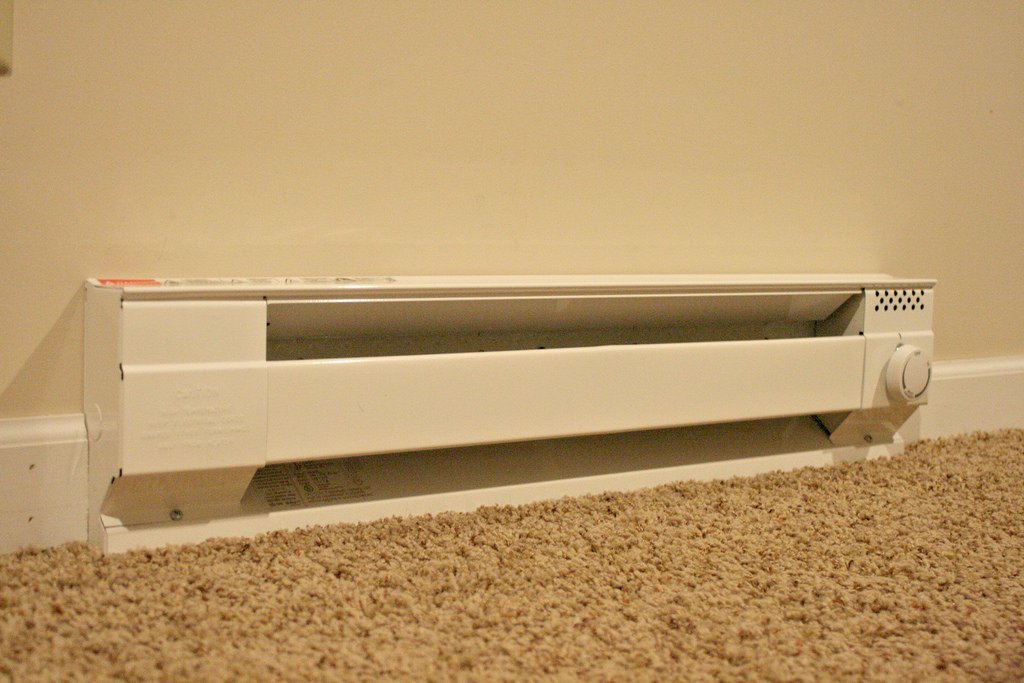
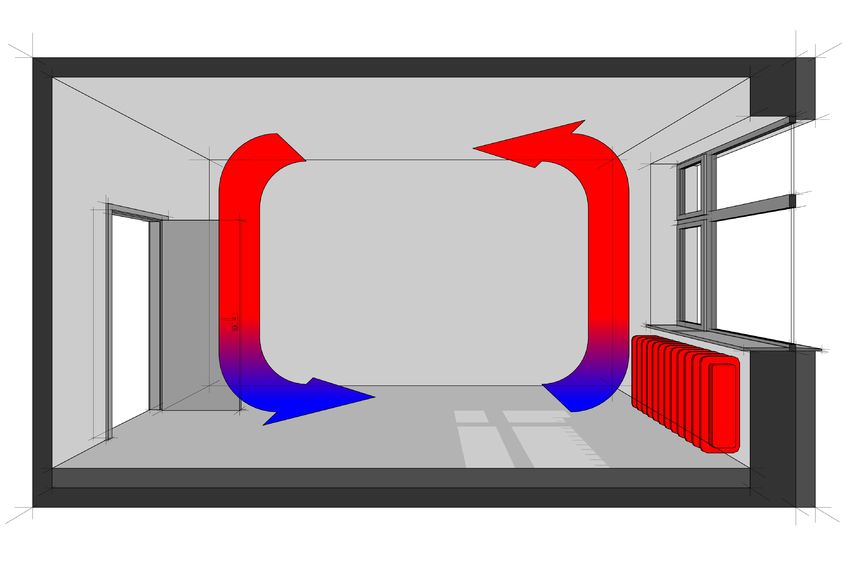
A boiler heating system uses hot water to generate heat for your home. This heat is expelled into the living space through baseboards heaters or radiators. A boiler sits in the basement of a home or building and uses natural gas to generate the heat.
Typical Basement Boiler System
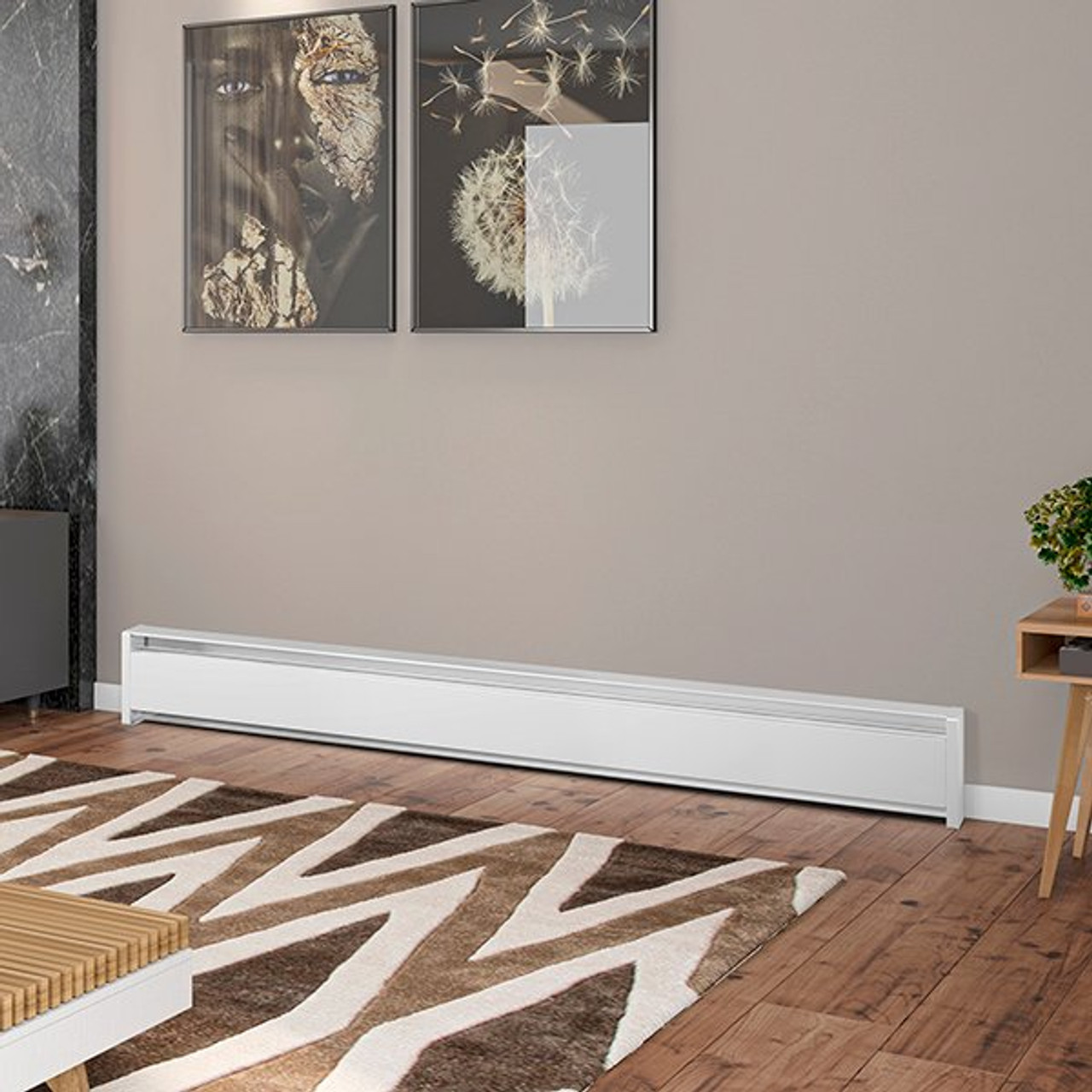
The water is heated and sent through pipes that lead to the rooms. There are two types of heaters ones that sit on the wall and ones that sits on the floor.