
Winter in Southwestern Ontario can be tough on your home’s plumbing system. Freezing temperatures, fluctuating weather, and heavy seasonal water use all put stress on your pipes and fixtures. As spring arrives, many homeowners assume everything is fine simply because the risk of freezing has passed.
However, many plumbing issues after winter in Ontario homes stay hidden until temperatures rise. By the time they show symptoms, they can already lead to costly repairs.
Understanding what to look for early can help you avoid water damage, reduce repair costs, and protect your home.
Here are five of the most common plumbing issues homeowners should watch for after winter.
1. Cracked or weakened pipes from winter freezing
Cold temperatures can cause serious stress on your plumbing system. When water freezes inside pipes, it expands and creates pressure that weakens the pipe walls.
Even if no burst occurred, you may still have frozen pipe damage issues forming behind walls or in hidden areas.
Signs of pipe damage after winter
- Sudden drops in water pressure
- Damp spots on walls, ceilings, or floors
- Higher than normal water bills
- Musty smells from hidden moisture
These are early warning signs of plumbing issues after winter that homeowners should never ignore. Small cracks often turn into major leaks once water pressure increases in spring.
2. Outdoor faucet and hose bib damage
Common spring outdoor plumbing problems
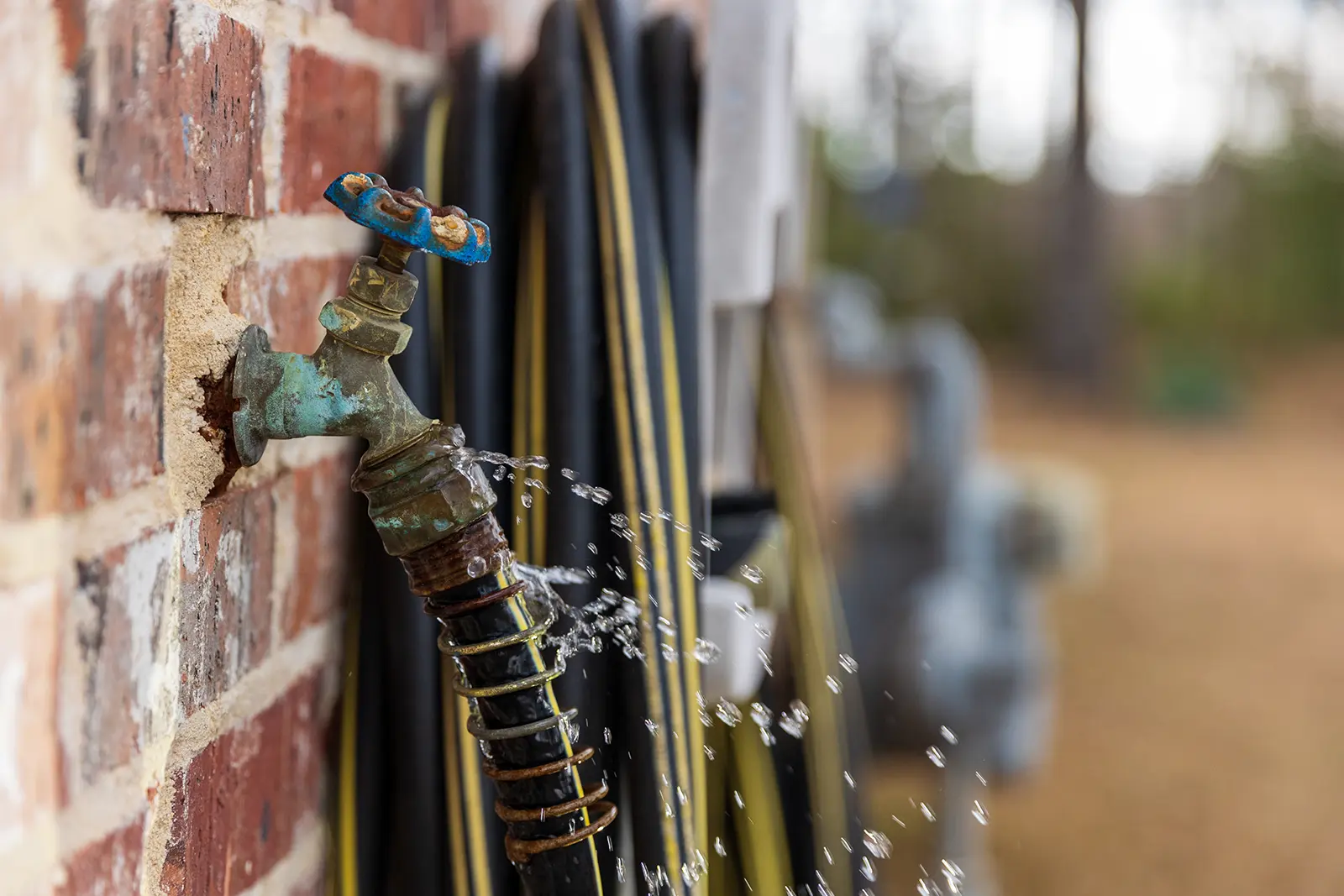
Outdoor plumbing is one of the most commonly affected systems after winter. Even when water is shut off, leftover moisture can freeze and damage fittings.
- Leaking outdoor taps
- Reduced water flow
- Cracks in hose bibs
- Water pooling near the foundation
This type of issue often requires outdoor faucet leak repair, especially if water has been slowly seeping into your home’s exterior or foundation.
Proper winterization tips can help prevent this, according to the City of London, Ontario.
3. Hidden plumbing leaks after winter ground movement
Signs of hidden underground leaks
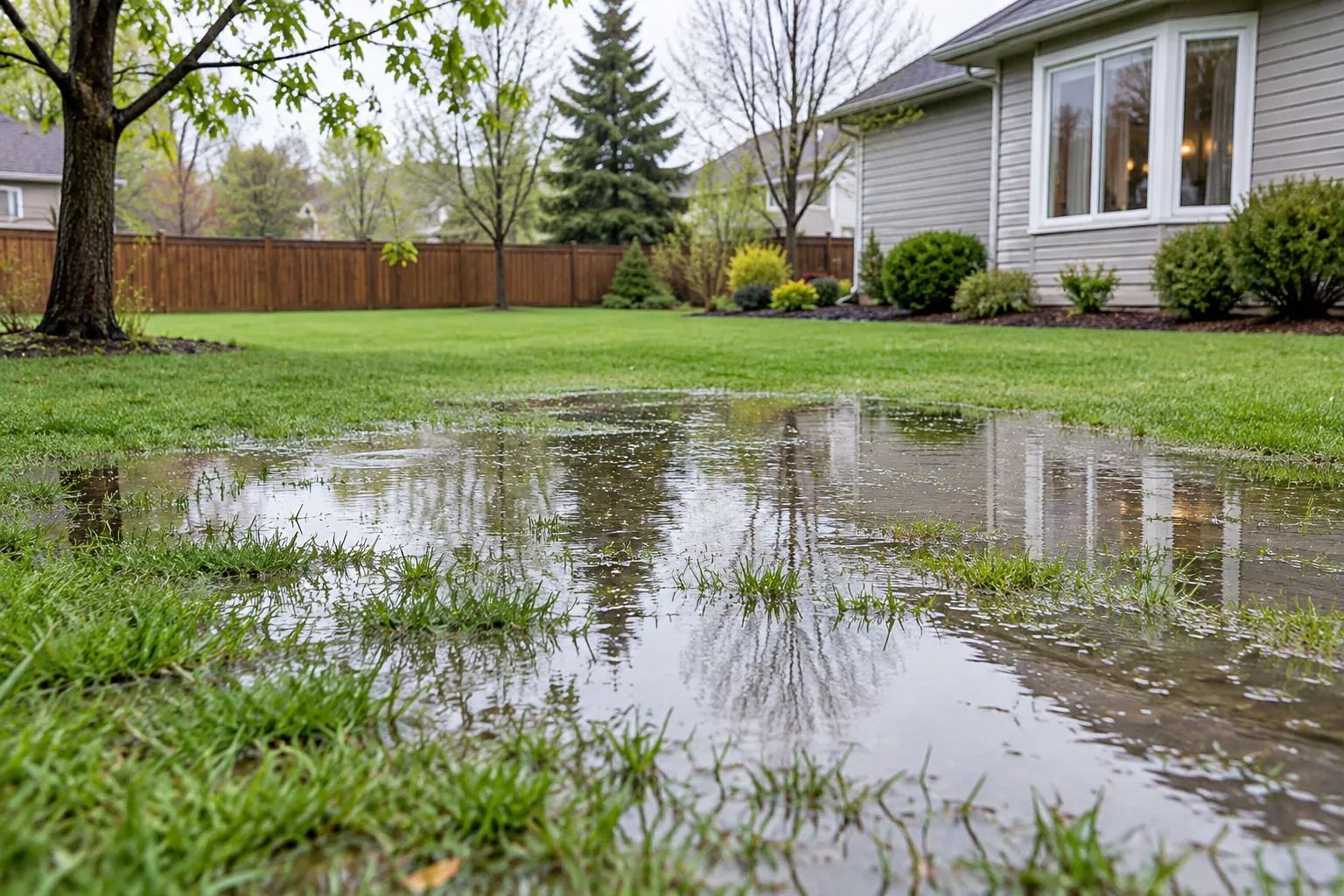
A large amount of surface water can occur for several reasons.
A lot of ice and snow is melting rapidly due to a change in temperature. The ground may still be frozen, preventing the water from seeping in. The soil type also plays a role. If it’s clay, the water will take much longer to dissipate.
If there appears to be more surface water than normal, it may indicate an underground water main leak. If your home runs off municipal water, you may not notice an increase in the water bill because the leak is outside, before the meter.
Signs of a hidden leak include:
- Wet patches in your yard that don’t go away after a few days
- Unusually green or fast-growing grass in certain areas
- Low water pressure throughout the home
- Water stains appearing without a clear source
These types of leaks can waste significant amounts of water and may increase your utility bills, depending on where the leak occurs. More importantly, they can cause long-term damage if not addressed quickly.
4. Sump pump failure during spring melt
Common sump pump issues in spring
Spring is one of the most important times of year for your sump pump. As snow melts and seasonal rains increase, your sump pump plays a critical role in preventing basement flooding.
However, if your sump pump has been sitting idle all winter, it may not be ready to perform when you need it most.
Common spring sump pump issues:
- Motor failure due to lack of use
- Clogged discharge lines
- Float switch problems
- Power supply issues
The last thing any homeowner wants is to discover their sump pump is not working during a heavy rainfall. Testing your sump pump early in spring and scheduling maintenance if needed can give you peace of mind.

5. Water heater strain and sediment buildup
Warning signs of water heater issues
During winter, your water heater works harder than usual. Colder groundwater temperatures mean your system has to use more energy to heat water for daily use. Over time, this increased demand can lead to wear and tear.
Additionally, sediment can build up inside the tank, especially in areas with hard water, which is common in Southwestern Ontario.
Signs your water heater may need attention:
- Inconsistent water temperature
- Strange noises coming from the tank
- Reduced hot water supply
- Higher energy bills
Ignoring these warning signs can shorten the lifespan of your water heater and lead to unexpected breakdowns. A spring maintenance check can help ensure your system is running efficiently. Thinking about replacing your water heater? Read our guide, What’s the best type of water heater for my home?
Why spring plumbing maintenance matters in Southwestern Ontario
Many plumbing problems develop slowly over winter and become visible in spring. That is why early inspection is critical.
Scheduling a home plumbing inspection each spring is one of the simplest ways London, Ontario homeowners can stay ahead of seasonal damage.